
In November 2020, a total of 82 judges joined an online Q&A session organised by GBCC, with partners at the Supreme People’s Court and judges from selected pilot courts which are a part of the national level pilots on trial-centred reform.
This activity, as part of the project particularly looking at the implementation of the ‘trial-centred adjudication procedure’ in criminal cases, explored topics related to evidence handling.
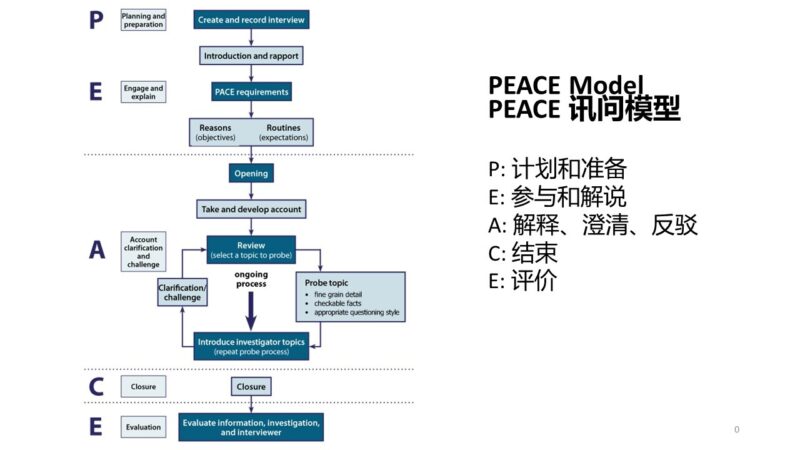
The session was led by three international professors from the UK and the Netherlands – Dr Grace (Yu) Mou, Prof Andrew Choo and Dr Marieke Dubelaar – all experts of Criminal Law and Criminal Justice. The experts discussed with their counterparts about interviewing techniques, expert witnesses, the presence of a lawyer during police questioning and the role of the judiciary in promoting change. As observed by the SPC, projects as such are of great importance in supporting China’s efforts to build a trial-centred criminal procedure system. The majority of the participants rated this session very informative and left with an improved knowledge on the topics above and in the hopes of further exploring practical examples of the typical public cases of related systems.
Before travel becomes a possibility, we plan to organise more such sessions between international experts and the SPC and pilot implementers. This will present an opportunity to share some of the local experiences while implementing project pilot rules and ask questions on ways forward before the next project activity – the training – is to take place in 2021. This training will be designed to provide an interactive way of studying international standards of evidence adjudication and to develop advanced litigation skills concerning evidence verification. Furthermore, the training will help to develop the trainees’ management capacity to handle defendants’ cases. In the long-term, this enhanced capacity will contribute to the protection of defendants’ rights.